Design & Planning

Pattern development process

Pattern Development

Each product begins with detailed pattern creation. Dimensions are calculated for optimal material usage and functional requirements. Patterns are refined through multiple iterations and testing phases.
Material selection

Material Selection

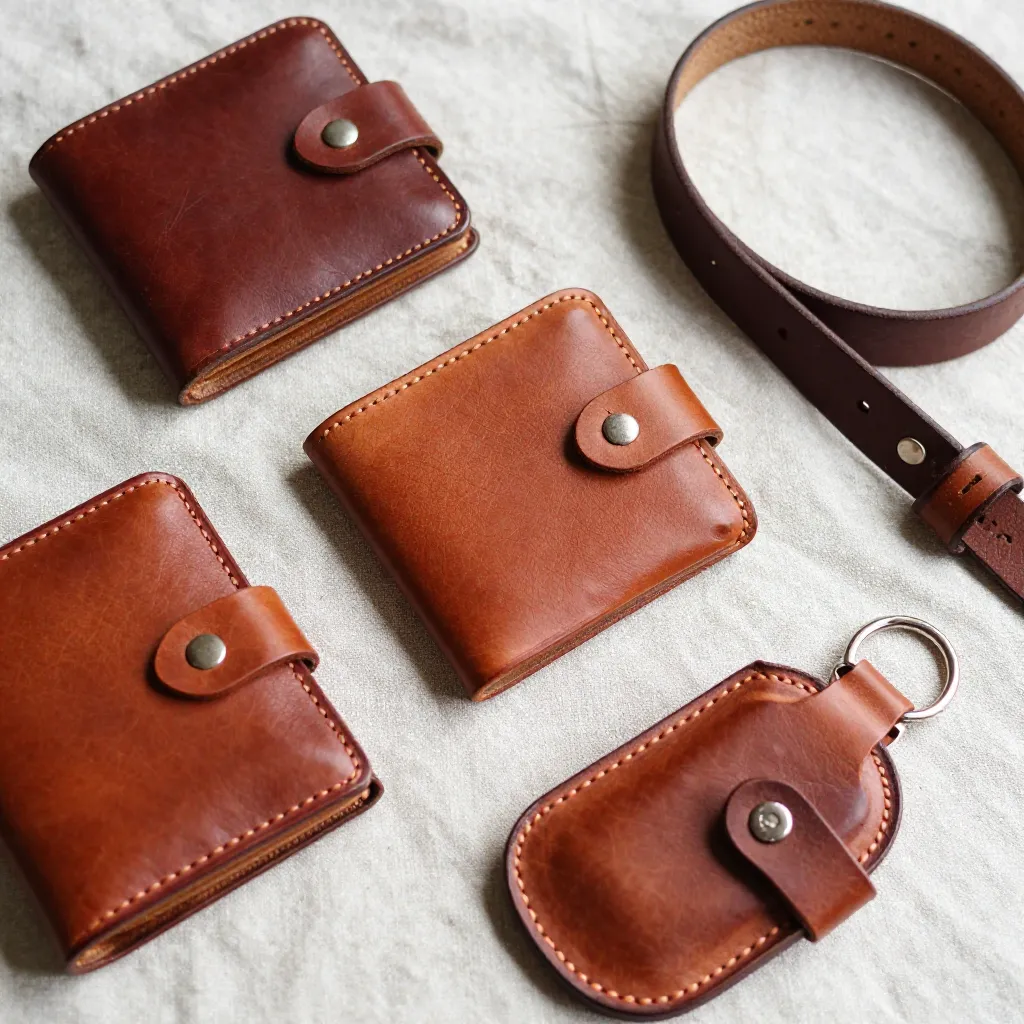
Leather is chosen based on thickness, grain pattern, and intended use. Each hide is inspected for consistency and quality before cutting begins.
Component planning

Component Planning

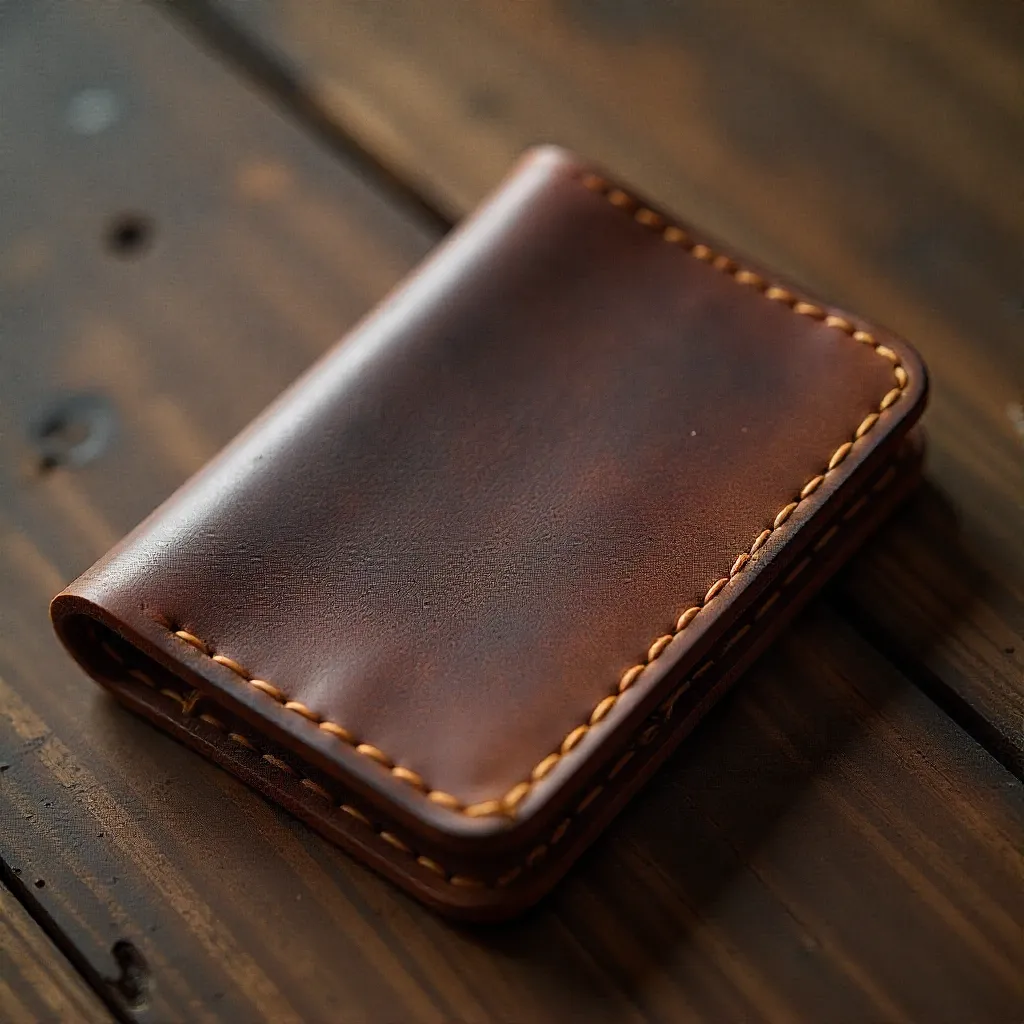
Hardware, thread, and additional materials are selected to complement the leather. All components are organized before assembly begins.
Assembly Techniques

Edge preparation technique

Edge Preparation

Edges are skived to reduce thickness at seams. This creates smooth transitions and prevents bulk. Beveling tools create rounded edges that burnish well.

Hole punching process

Hole Punching

Stitching holes are marked and punched using precise spacing. Typical spacing is 6-8 stitches per inch, depending on product type and leather thickness.

Saddle stitching detail

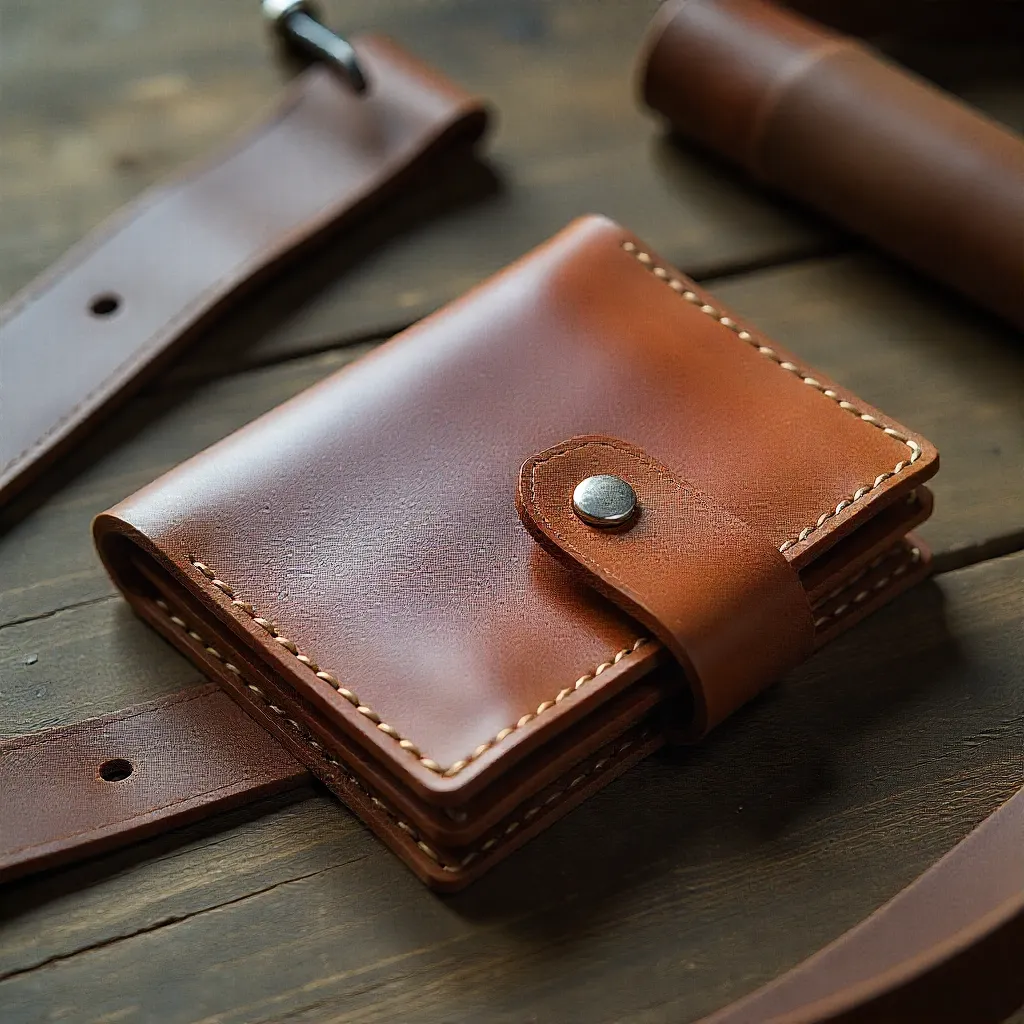
Saddle Stitching

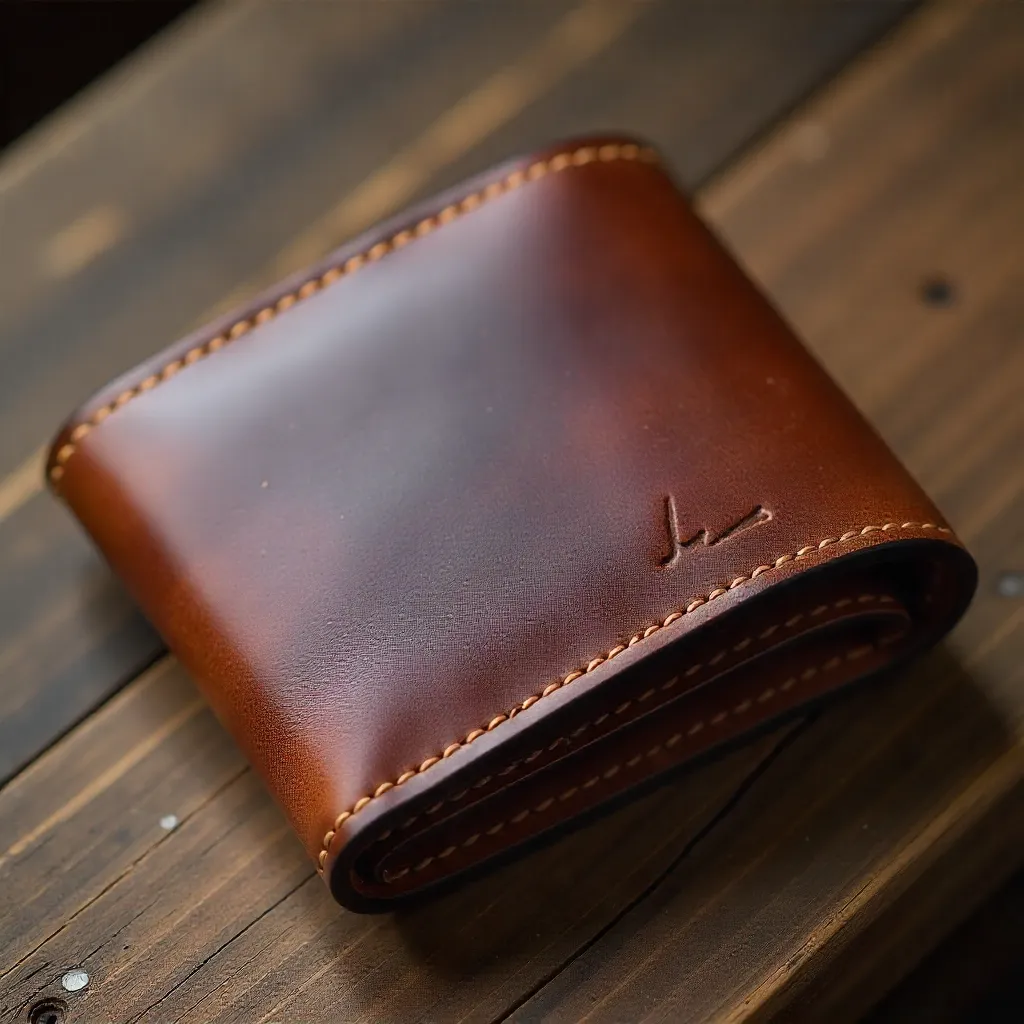
Two needles work in opposite directions, creating interlocking stitches. Thread tension is maintained consistently. This method produces stronger seams than machine stitching.

Hardware installation

Hardware Installation

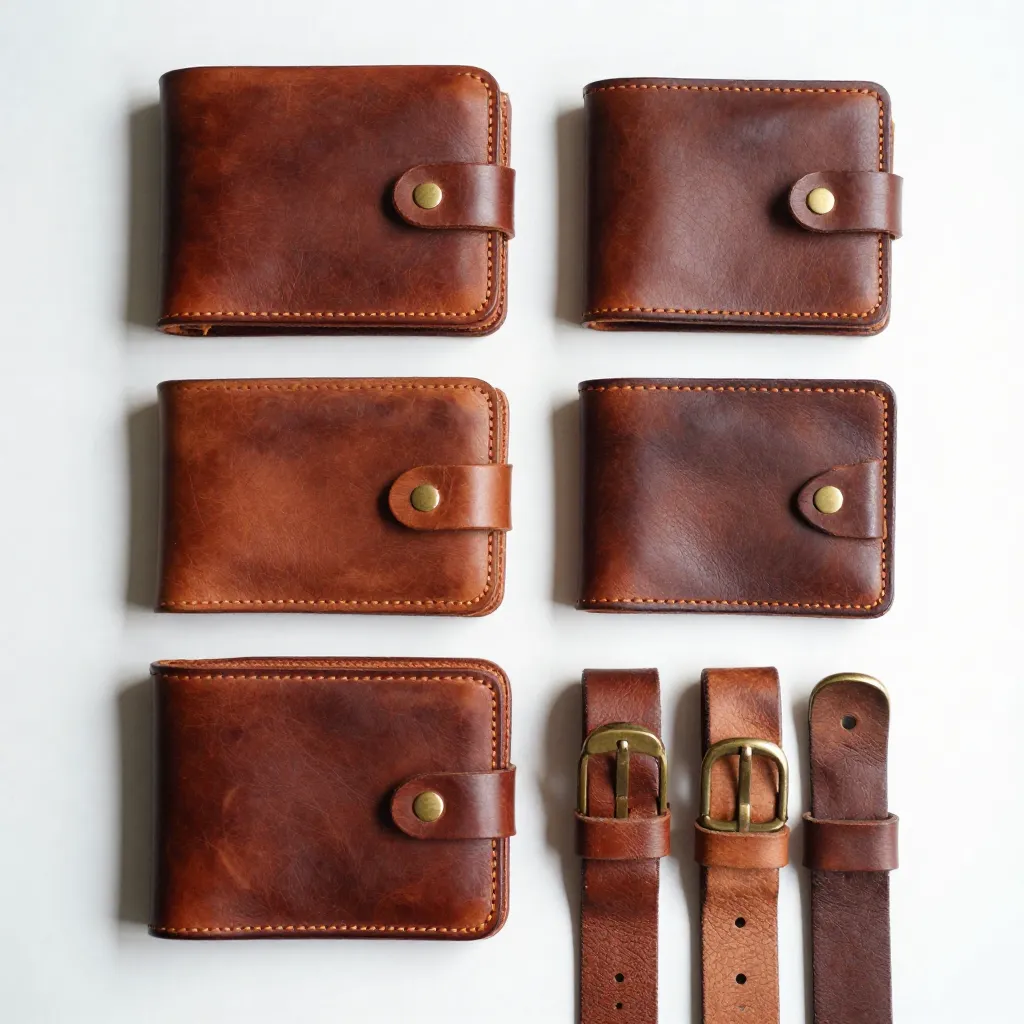
Buckles, snaps, and other hardware are installed at appropriate stages. Holes are reinforced where needed to support hardware stress points.